Kuper Island: Return to the Healing Circle
This film was made in 1997,
one year after the last residential school in Canada was closed. Kuper Island Residential School was
opened in 1890 and closed in 1978.
During that time, hundreds of Aboriginal children suffered extreme abuse
at the hands of the Catholic brothers running the school. Parts of this film may be hard to watch and listen to, but remember as you watch it, that the story is one of healing.
Think about these questions
as you watch the film.
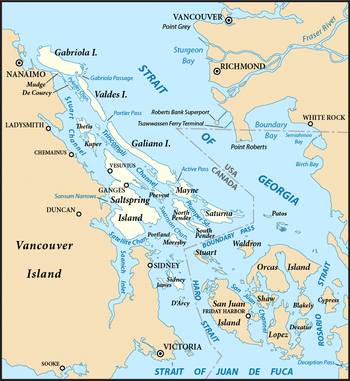
Where is Kuper Island?
Kuper Island is opposite Chemainus next to Thetis Island
Why did they refer to it as “Alcatraz”?
Kuper Island is a remote island with fast moving currents in Stuart Channel. There was no easy escape from the island.
Why would the Catholic
church have built the school there in the first place?
They wanted to ensure that the children did not get away and return to their families.
What types of things did the
Europeans ban and to what end?
They banned Indigenous language and cultural and spiritual practices in order to force assimilation of the children into European culture and religion.
Why did parents send their
children there?
They were threatened with arrest and jail time if they did not relinquish their children to the Indian Agent.
How did/do people try to
heal from the residential school experience?
- to come face-to-face with their experiences and admit them - to tell the truth about what happened to them
- join in a healing/talking circle and to keep talking about the experience over and over until they are done with the pain
- disclose what happened to them to authorities (RCMP, Truth and Reconciliation Commission)
- show their feelings through artwork, i.e. carving
- get sober
- take part in sweatlodges
What type of emotions did
residential school leave in the victims/survivors?
- anger
- hatred
- sorrow
- guilt
- shame
How did these people lose
their childhoods?
- they had to take care of each other as the adults were abusing them instead of caring for them
- they were not allowed to show emotion
- they were abused physically, emotionally, sexually and culturally
- isolation
- the boys playing outside and waiting until someone's number was called before they could actually relax
What social and emotional
problems came later to the victims/survivors of residential schools?
- drug and alcohol addiction
- inability to show or share feelings
- inability to trust
- family violence
- extreme emotional pain
- low or non-existent self-esteem
- loss of pride in self
- multi-generational dysfunction
- post-traumatic stress disorder
How were the children isolated?
They were not allowed to speak to family members - even distant family members. They suffered from such shame over the sexual abuse that they couldn't talk to anyone about it.
How does the film show hope in the end?
- Delmar Johnny's wedding
- the young men choosing to heal in their teens and early twenties
- choosing to go back to school and finish college
- father teaching son how to fish
- children playing outside with smiles on their faces


